Observational Research Done Right Counterfactuals, Directed Acyclic Graphs, and Target Trial Emulation (Evidenced-Based Healthcare & Implementation Interest Group (EBHI) Sponsored)
The analysis of secondary and observational health data, including electronic health records, is increasingly prevalent in emergency medicine. However, such research often inappropriately implies causal relationships without accounting for validity threats like selection bias and confounding. This session introduces emerging approaches to addressing these issues, focusing on defining observational studies through hypothetical randomized trials and using causal directed acyclic graphs (DAGs) in propensity score analyses. Through an interactive format with two breakout sessions, attendees will learn the language of potential outcomes and counterfactuals, how to construct a DAG (including free, user-friendly software for DAG modeling), and the basic application of target trial emulation in observational emergency medicine research.br/>
Learning Objectives:
- Explain a counterfactual
- Construct a simple causal directed acyclic graph
- List the components of a target trial emulation
- Discuss how selection bias and confounding can be addressed using the above techniques
Presenters:
- Martin P. Wegman, MD, PhD, FACEP
- Nicholas E. Harrison, MD, MSc
- Robert R. Ehrman, MD, MS
- Adrienne N. Malik, MD
-
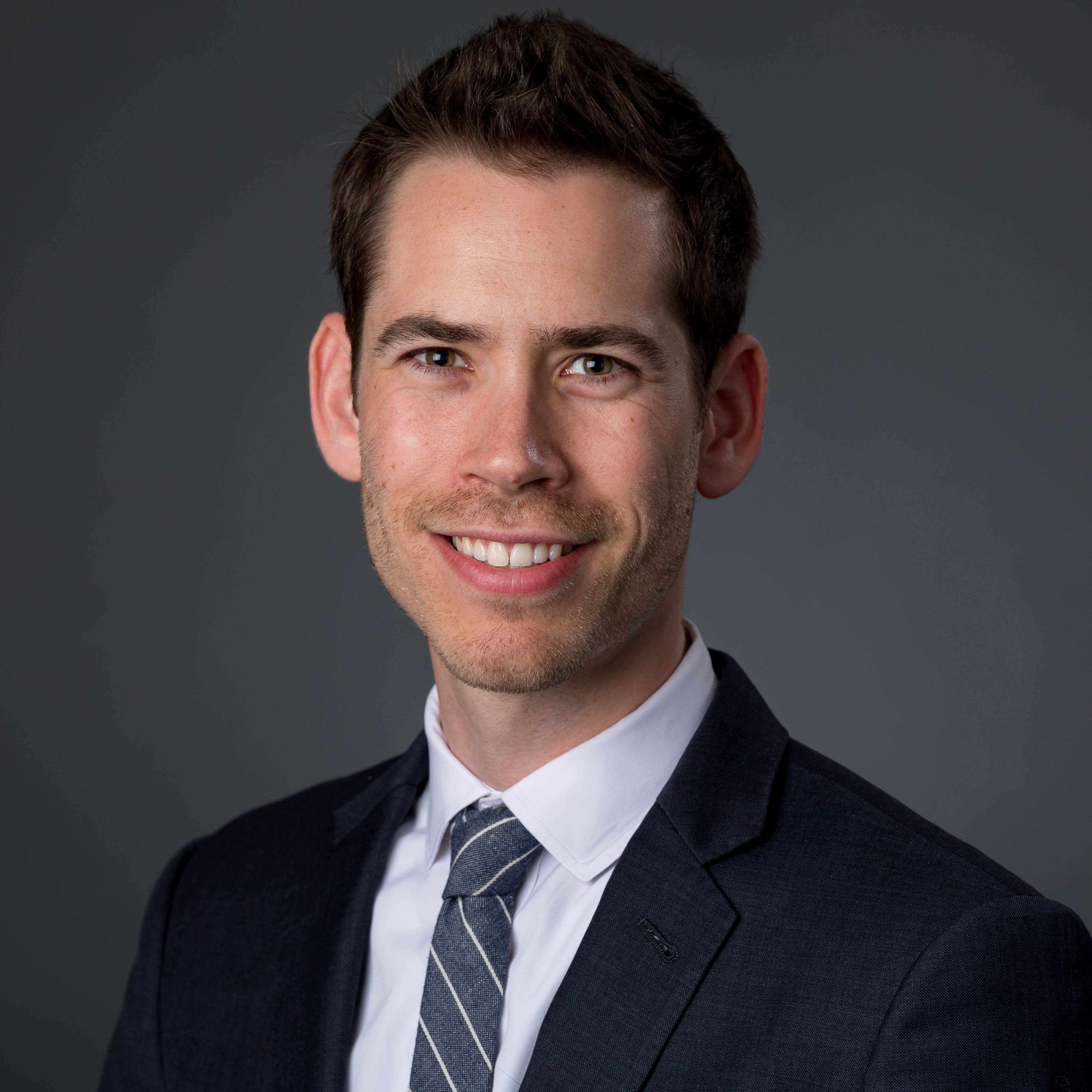
Martin P. Wegman , MD, PhD, FACEP
Research Director
HCA Florida Orange Park Hospital
Martin Wegman, MD, PhD is a practicing emergency physician, population-health scientist, and research director at HCA FL Orange Park Hospital. He is also the inaugural Senior Research Fellow at the American College of Emergency Physicians where he provides strategic direction for the College's research portfolio, including the annual research conference, research training course and research networks. In these roles, he serves as principal investigator on multiple funded projects.
He completed his MD-PhD training program at the University of Florida, with graduate work in epidemiology and healthcare policy. He then completed a post-graduate clinical research fellowship at Yale School of Medicine and his emergency medicine residency training at Yale and the University of North Carolina. He has been published in Lancet Global Health, JAMA, Health Affairs, and Medical Care, and funded by the NIH, FDA, Doris Duke Foundation, and the AMA - with awards totaling in excess of $1M. He has expertise in research methodology, including quasi-experimental design and experience in analyzing large healthcare datasets to inform healthcare practice and policy. -
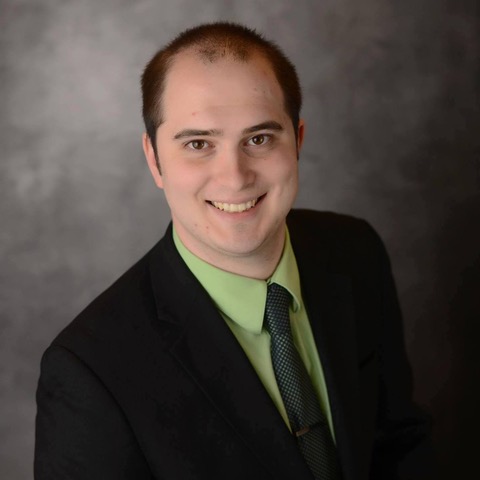
Nicholas E. Harrison, MD, MSc
Clinical Physician
IUH Methodist Hospital
Dr. Harrison was born in Dearborn, MI, and raised in the suburbs of Detroit. He graduated from Michigan State University for both his undergraduate and medical school degrees, in 2008 and 2012, respectively. While at the MSU College of Human Medicine he spent two years at the Flint MI MSU Clinical Campus and two months living abroad in Peru, completing the school's MD Leadership in Medicine for the Underserved certificate program. He completed his residency training in Emergency Medicine at the Oakland University William Beaumont School of Medicine / William Beaumont Hospital Emergency Medicine Program, where he served as Chief Resident in his final year. Upon completing his residency in 2019, Dr. Harrison entered a two-year Fellowship in Clinical Research, studying heart failure and cardiovascular imaging under the mentorship of Dr. Phillip Levy at Wayne State University. He concurrently entered the Clinical Research Design and Statistical Analysis MSc program for clinician-scientists at the University of Michigan's Department of Biostatistics. He graduated both his research fellowship and his MSc in 2021, at which time he took his first full-time faculty position as a tenure-track Assistant Professor of Emergency Medicine at IUSM in Indianapolis.
Dr. Harrison works clinically at IUH Methodist Hospital, while continuing the translational and health services research he began during his fellowship, in acute heart failure and non-invasive cardiovascular imaging. Starting in 2022, and ending in 2024, he received a KL2 Career Development Award funded by the National Institutes of Health National Center for Advancing Translational Sciences (NIH NCATS) through the Indiana Clinical and Translational Sciences Institute.
-
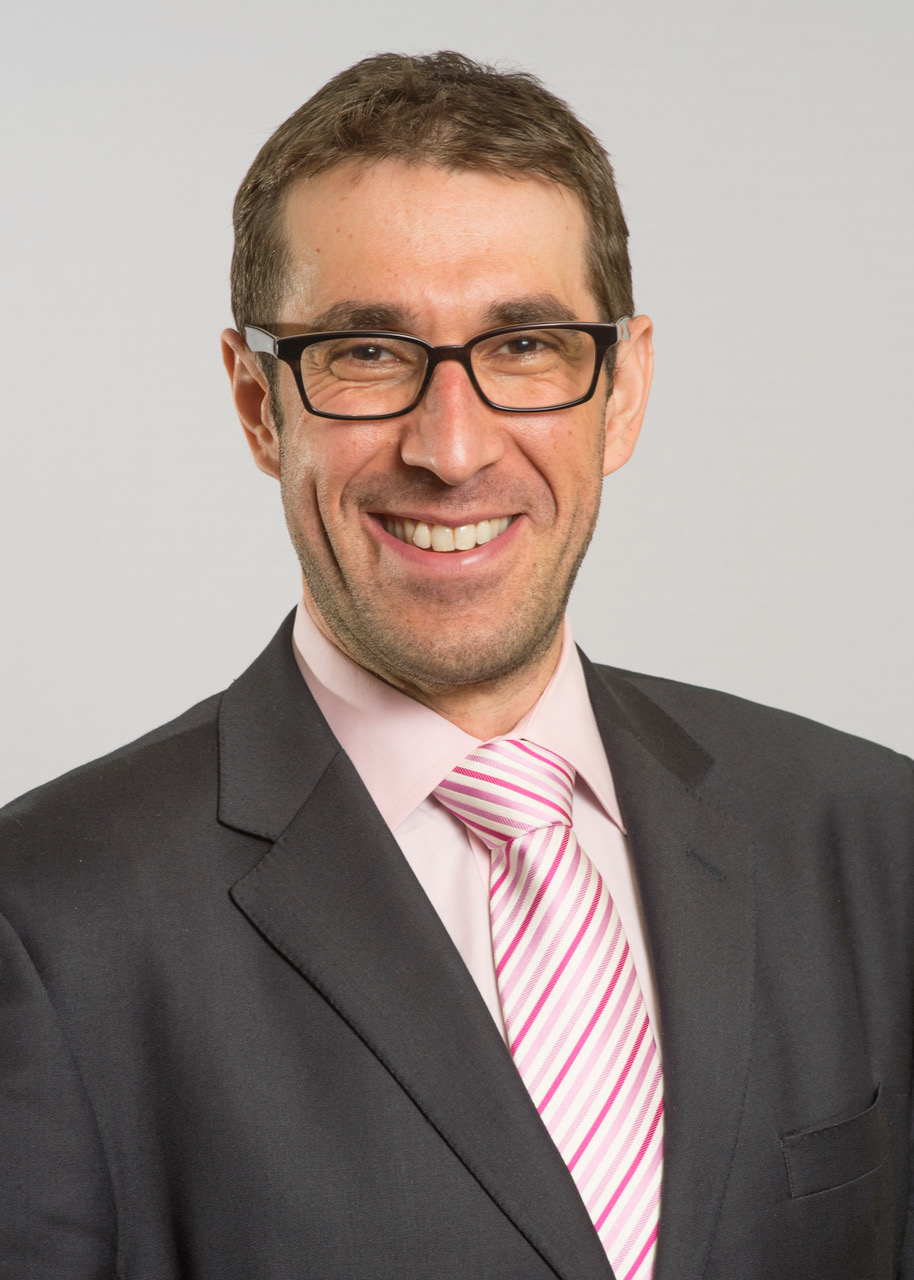
Robert R. Ehrman, MD, MS
Wayne State University
Dr. Ehrman is an Associate Professor (Clinician-Scholar) of Emergency Medicine at Wayne State University in Detroit, MI. He received his medical degree from Northwestern University in 2007. He completed his Emergency Medicine Residency at Yale-New Have Hospital and a Fellowship in Emergency Ultrasound at Cook County Hospital in Chicago, IL. He currently serves as the Assistant Director of Emergency Ultrasound at Detroit Medical Center/Sinai-Grace Hospital and Assistant Director of the Emergency Ultrasound Fellowship at Wayne State University. Dr. Ehrman’s primary research interest is the use of point-of-care ultrasound in critical illness, primarily heart failure and sepsis. He has published multiple peer-reviewed papers on the use of advanced echocardiographic techniques by Emergency Physicians. -
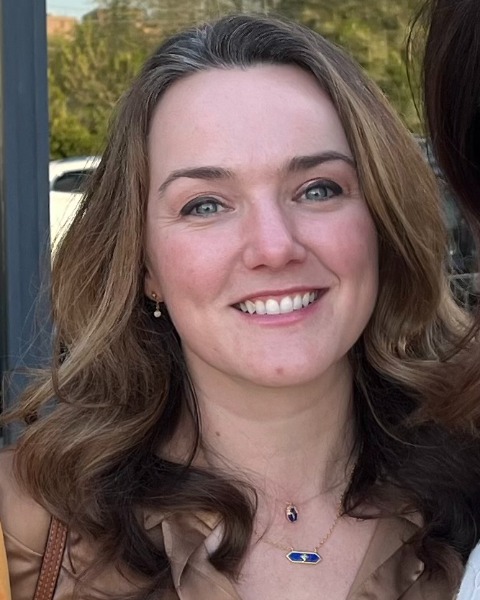
Adrienne N. Malik, MD
Director, Research Training
The University of Kansas Medical Center
Dr. Malik is an Assistant Professor of Emergency Medicine (EM) at the University of Kansas Medical Center (KUMC) in Kansas City, KS, and is a core faculty member of the KU EM residency program. She received her MD from Saba University and completed her EM residency and ultrasound fellowship at DMC Sinai Grace Hospital in Detroit, MI. She currently serves as the Director of Research Training for the Department of Emergency Medicine, which includes overseeing trainee research projects and the bimonthly resident research workshop. Dr. Malik currently serves as PI for multiple investigator-initiated and industry-funded studies at KUMC and has been a member of the KU HSC IRB since 2020.