Navigating Migration and Trauma-Informed Emergency Department Care: Citing Disparities and Social Factors in Pediatric Migrant Patients
This session will explore the intersection of global migration trends, healthcare disparities, and trauma-informed care for pediatric asylum-seeking, refugee, and migrant populations. These groups often face significant legal, cultural, and systemic barriers to accessing essential services such as housing, food, and healthcare. Emergency departments serve as critical points of contact for these children, whose complex medical and psychosocial needs require culturally sensitive, trauma-informed care. Experts in national and global pediatric emergency care will discuss strategies for addressing these needs and navigating the limitations of federal and state support mechanisms to promote equitable, high-quality care.
Learning Objectives:
- Summarize demographics and regions of pediatric asylum-seekers, refugees, and migrants, highlighting trends and factors influencing their health needs in emergency care settings.
- Describe healthcare access barriers and social determinants of health (SDOH) affecting pediatric asylum-seekers, refugees, and migrants, focusing on how these factors influence their treatment and outcomes in emergency departments.
- Identify limitations of federal and state programs for vulnerable pediatric populations, assessing their effectiveness in addressing the unique challenges faced by pediatric asylum-seekers, refugees, and migrant families.
- Propose strategies for improving care coordination and policies for pediatric asylum-seekers, refugees, and migrant patients, including advocacy efforts to address housing and food security challenges that impact health outcomes.
Presenters:
- Laura Janneck, MD, MPH
- Colleen E. Laurence, MD, MPH
- Tatenda Mupepi, MPA
-
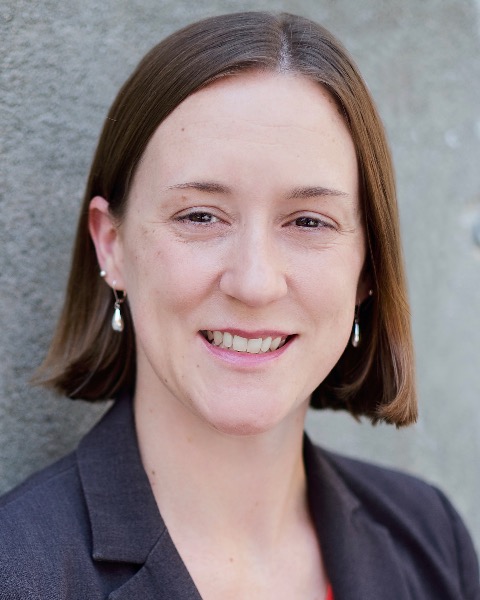
Laura Janneck, MD, MPH
University of Oklahoma School of Community Medicine
Laura Janneck is an Assistant Professor and Associate Program Director at the University of Oklahoma School of Community Medicine, where her work focuses on social medicine and education.
She received her undergraduate degree from Brown University, her doctorate in medicine from the Case Western Reserve University School of Medicine, and a master’s in public health from the Harvard Chan School of Public Health. Dr. Janneck completed residency in emergency medicine in at the Brigham and Women’s and Massachusetts General Hospitals.
After residency, she served as Country Director for sidHARTe in Rwanda where, in collaboration with the Ministry of Health, she helped to guide the development emergency medical systems across the country. She worked as a community emergency physician at the Cambridge Health Alliance where her focus pivoted toward immigrant health and social medicine with a strong emphasis on education. She developed an open-access curriculum on immigrant health, and through the Center for Health Equity Education and Advocacy she helped to create an interprofessional course called the Health Equity Scholars.
While caring for patients throughout the COVID-19 pandemic, she transitioned to the University of Oklahoma School of Community Medicine to more actively pursue academic interests. There, she has created a section on Social Emergency Medicine and served in national roles in Social EM through ACEP and SAEM. She was appointed to be an Associate Program Director of the OU Tulsa EM Residency Program, and a Course Director for a pre-clinical medical student course focusing on the biopsychosocial approach to medicine. Outside of her work, she enjoys traveling, singing in a choir, and spending time with her family. -
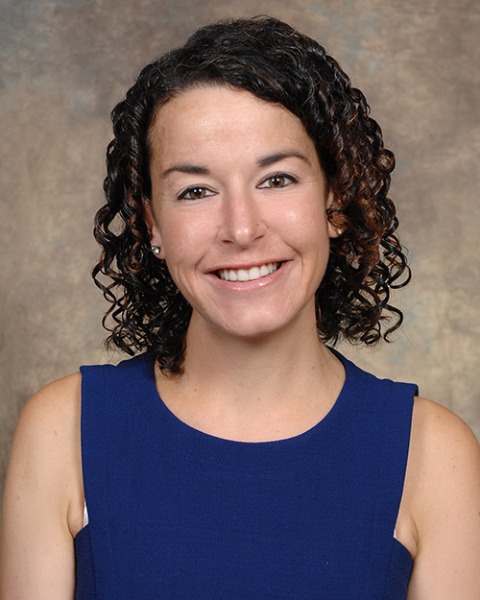
Colleen E. Laurence, MD, MPH
Boston Medical Center
Colleen Laurence, MD, MPH is an Assistant Professor of Emergency Medicine at the Boston University Chobanian & Avedisian School of Medicine and an Attending Physician at Boston Medical Center. Her research and educational work focuses on accessibility and delivery of comprehensive, trauma-informed emergency care for immigrant populations and realization of language justice in emergency care in the United States.
Dr. Laurence completed a Local Health Equity Fellowship at Boston Medical Center and her emergency medicine residency training at the University of Cincinnati where she also served as Chief Resident. She earned her MD from Wake Forest University and her MPH from Emory University. Before attending medical school, she served with the US Peace Corps for two years in Mauritania and Rwanda and helped to develop a mobile app to support people living with HIV/AIDS, now recognized by the CDC as a best practice. -

Tatenda Mupepi, MPA
Saint James School of Medicine
Tatenda Mupepi is a devoted medical student at Saint James School of Medicine with a strong commitment to pursuing a career in Emergency Medicine. Born in Harare, Zimbabwe, she completed her Bachelor's degree in Biomedical Sciences and a Master's degree in Public Administration, with a focus on Health Administration, at Grand Valley State University in Allendale and Grand Rapids, Michigan.
Tatenda has worked with Michigan’s Department of Mental Health, Grand Valley State University’s Family Health Center, and multiple nonprofit health organizations in West Michigan, where she has advocated for quality healthcare and provided vital services to her community. She also successfully founded a healthcare organization that offers home health services, employment staffing, and recruitment, as well as healthcare training and certification programs.
Her unwavering dedication to community advocacy, global health, leadership, mentorship, and the promotion of diversity, equity, and inclusion in medicine is profoundly influenced by her multicultural background and personal experiences. This deep commitment fuels her ongoing efforts to address healthcare disparities and advance equitable access to care.