Mapping the Tides of Opportunity: The Many Routes to Becoming an Assistant Program Director
Many residents and junior faculty aspire to pursue an assistant program director (APD) role but may lack understanding of the various pathways and requirements to achieve this goal. In this session, speakers will guide participants through the different routes to becoming an APD, highlighting both common and uncommon stepping stones such as educational fellowships, junior faculty positions, and certifications. Drawing on exclusive findings from a 2024 national survey of emergency medicine APDs, the speakers will discuss the years spent in faculty positions, assistant and associate program director roles, other leadership titles held, and different methods of preparation for the APD role. Participants will gain valuable insights into the pathways available to them, including the time, training, and financial investment required for each. By the end of this session, participants will have the tools to create a personalized roadmap with clear, time-bound goals tailored to their career aspirations in the APD role.
Learning Objectives:
- Discuss the full spectrum of possibilities for pathways to APD and the probability of success on that pathway based on the current US APD experiences
- Characterize what each pathway to APD entails (time, funds, etc.) in order to evaluate one’s own career readiness for advancement
- Construct a specific plan for how to achieve the APD role in the way that best fits the individual’s needs
Presenters:
- Jenna Thomas, MB BCh BAO, MHPE
- Mary E. McLean, MD
- Leah Bralow, MD
-

Jenna M. Thomas, MB, BCh, BAO, MHPE
Washington University in St. Louis School of Medicine
Dr. Jenna Thomas is an Assistant Program Director for the residency program at Washington University in St. Louis. Her broad experiences from medical school in Ireland through Medical Education fellowship in the Midwest piqued a passion for supporting people of diverse personal and professional backgrounds in their own competency based education. She is always looking for ways to collaborate on scholarly projects and share experiences with peers across a variety of institutions and training settings, and is an active member of SAEM's Education Committee.
-
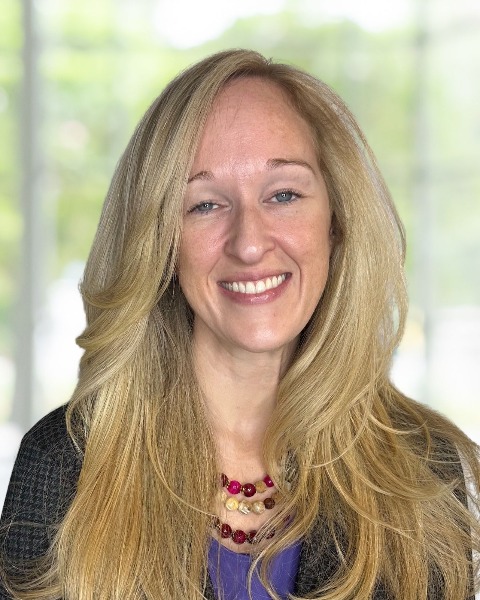
Mary E. McLean, MD, FACEP, FAAEM
AdventHealth East Orlando
Mary McLean is an Assistant Residency Director for the AdventHealth East Orlando EM Residency Program, and an Adjunct Clinical Associate Professor of Emergency and Internal Medicine for the Lake Erie College of Osteopathic Medicine. She originally hails from Portland, Oregon, and completed her medical education at Oregon Health & Science University School of Medicine and St. John’s Riverside Hospital Emergency Medicine Residency Program. Her professional interests include medical education, research, scholarly activity, public speaking, leadership and advocacy, bias, and diversity, equity, and inclusion. She has spoken nationally and internationally on the medical management of cardiac, neurologic, OB/GYN, neurologic, and traumatic emergencies, as well as on medical education and career development topics. Outside of work, she enjoys documentaries, animals, travel, and being a foodie.
-
Leah Bralow, MD
St. Barnabas Health/CUNY
Leah Bralow MD is an Assistant Program Director at St. Barnabas Hospital in the Bronx, NY. She is a graduate of the NYP Cornell/Columbia EM residency and has served in roles in both UME and GME. In addition to her APD responsibilities. Dr. Bralow is active nationally in both CORD as a member of the APD Community of Practice and SAEM. Her academic interests include curriculum development, use of team-based learning in GME, evaluation systems and disaster preparedness.