Integrating Equity: Strategies to Address Race in Emergency Medicine Research (ADIEM- and Social EM and Population Health Interest Group-Sponsored)
In Emergency Medicine (EM) research, addressing health disparities is both a matter of social justice and an integral part of ensuring scientific integrity and clinical effectiveness. Although racial disparities in emergency care are widely recognized, many research studies fall short in exploring the driving factors behind these disparities or in investigating interventions to mitigate them. Drawing from expertise in quantitative and qualitative research, health equity, and medical education, this session will provide practical, actionable strategies for incorporating best practices in race reporting and addressing racism within EM research. Participants will engage in interactive discussions and apply the lessons learned to design research proposals focused on reducing racial disparities in EM.
Learning Objectives:
- Summarize best practices in reporting race and addressing racism in research studies.
- Identify the four generations of disparities research and how they apply to emergency medicine.
- Propose an EM research study integrating best practices from one of the four generations of disparities research.
Presenters:
- Anita N. Chary, MD, PhD
- Vidya Eswaran, MD
- Dowin Hugh Boatright, MD
- Melanie F. Molina, MD, MAS
- Michelle Ihn Suh, MD
- Ynhi Thomas, MD
- Adesuwa Akhetuamhen, MD
-
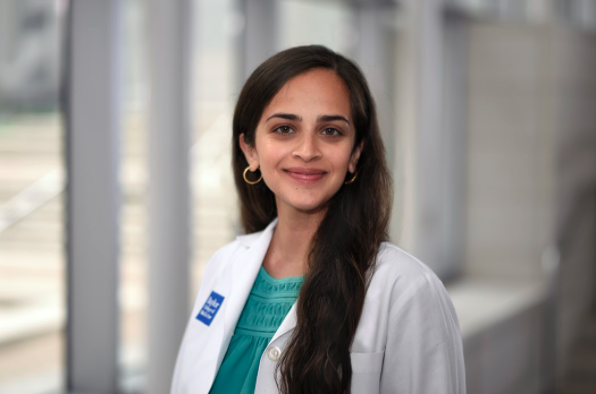
Anita N. Chary, MD, PhD
Baylor College of Medicine
Anita Chary, MD PhD is a medical anthropologist and emergency physician and Assistant Professor at Baylor College of Medicine (Departments of Emergency Medicine and Medicine, Section of Health Services Research). She graduated summa cum laude from the University of Illinois in Urbana-Champaign, received her medical and doctoral degrees (MD PhD, Anthropology) from Washington University in St. Louis, and served as chief resident of the Harvard Affiliated Emergency Medicine Residency. Broadly, her research focuses on social determinants of health and care of vulnerable populations. She has an extensive background in global healthcare delivery and has expertise in qualitative methods and social theories of health equity. Dr. Chary's domestic research focuses on improving the care of geriatric patients in the ED. She currently serves as the Research Committee Chair of SAEM Academy of Diversity & Inclusion in Emergency Medicine and as an Executive Comittee Member-at-Large for the SAEM Academy of Geriatric Emergency Medicine. She is an Associate Director of the Medical Scientist Training Program (MD/PhD) at Baylor College of Medicine and an Adjunct Assistant Professor of Anthropology at Rice University.
-
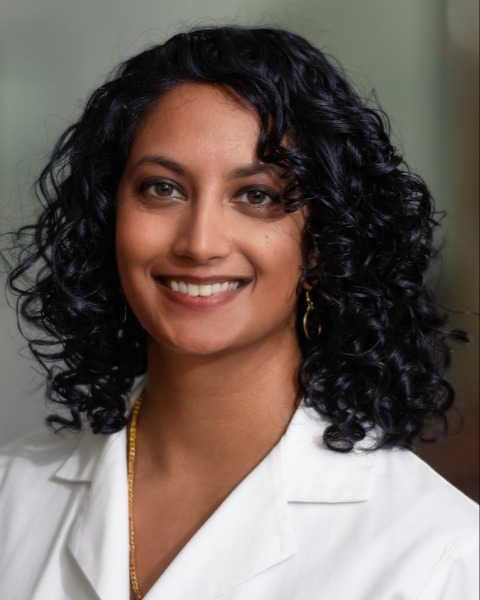
Vidya Eswaran, MD
Washington University in St. Louis
Vidya Eswaran completed her MD at Baylor College of Medicine in Houston, TX. and residency training at the Northwestern University Emergency Medicine Residency Program (NUEM) based in Chicago, IL. She then moved to San Francisco, CA for a fellowship in the National Clinician Scholars Program (NCSP, formerly Robert Wood Johnson Foundation Clinical Scholars Program) where she obtained a Masters Degree in Clinical Research. She has held a number of leadership positions in the Emergency Medicine Residents Associations as well as the American College of Emergency Physicians' Social Emergency Medicine Section, and serves as Managing Editor for Policy Prescriptions, a health policy blog. Her research interest lies in topics related to Social Emergency Medicine and health equity, with a specific focus on behavioral health and care for incarcerated, and recently incarcerated, populations. She believes strongly in community engagement and trainee mentorship throughout the research process. -
Dowin H. Boatright, MD
-

Melanie F. Molina, MD, MAS
University of California, San Francisco
Dr. Melanie Molina, MD, MAS is an Assistant Professor of Emergency Medicine and Affiliate Faculty of the Philip R. Lee Institute for Health Policy Studies at the University of California, San Francisco (UCSF). Prior to her faculty position, Dr. Molina completed a postdoctoral fellowship through the National Clinician Scholars Program at UCSF and a Masters in Advanced Studies through UCSF’s Training in Clinical Research program. During that time, she investigated and published work elucidating COVID-19-related health disparities and ways to leverage technology to integrate social needs screening/linkage to resources into clinical care. Dr. Molina’s own experiences overcoming childhood adversity sparked her desire to work toward reducing health disparities and continue to drive her advocacy work.
-
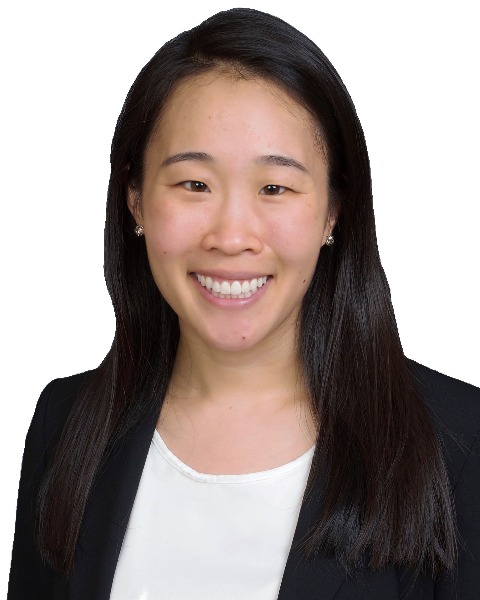
Michelle Ihn Suh, MD
University of Chicago
Michelle Suh, MD (she/her) is an emergency medicine physician, educator, and researcher. She completed her medical education and residency training at the Baylor College of Medicine, and she is currently a medical education fellow at the University of Chicago. Her research interests focus on the hidden curriculum of medical education and caring for vulnerable populations.
-
.jpg?sfvrsn=5b43ea9b_1 "cropWIIZFPXI-Presenter-ThomasY(2)")
Ynhi Thomas, MD, MPH, MSC
Baylor College of Medicine
Dr. Ynhi Thomas, M.D., M.P.H., M.Sc., is an Assistant Professor of Emergency Medicine at Baylor College of Medicine (BCM) and serves as the Assistant Medical Director of Operations Research at the Ben Taub Hospital Emergency Center. She also holds the role of Investigator in the Behavioral Health Program at the Center for Innovations in Quality, Effectiveness, and Safety (IQuESt). Drawing on her expertise in public health, mental health, and leadership in quality improvement, Dr. Thomas develops innovative interventions to enhance emergency care for patients experiencing mental health crises.
Her contributions include the development of the Behavioral Health Sorting Tool, establishment of a multidisciplinary Crisis Intervention Team, and the formulation of data-driven guidelines for the use of physical restraints. Dr. Thomas's research, funded by federal and private entities, focuses on substance use disorders, suicide prevention, and the development of clinical decision support tools. She has served as principal or co-investigator on various projects, including an FDA-funded U01 study on kratom's human abuse potential and National Institutes of Health-funded initiatives on diagnostic accuracy.
Dr. Thomas has received several accolades, including the 2025 American Society of Clinical Psychopharmacology New Investigator Award, the 2024 Chao Physician-Scientist Award, and the 2023 Academy for Women in Academic Emergency Medicine President's Momentum Award. An inductee of Alpha Omega Alpha and The XXXI Honor Society, she completed her medical degree at the University of Alabama School of Medicine, her M.P.H. at the University of Alabama School of Public Health, her M.Sc. in Medical Anthropology at Oxford University, and her Emergency Medicine residency and fellowship training in Leadership, Quality, and Administration at BCM. Dr. Thomas enjoys hiking, traveling, and spending time with her husband and two school-aged sons. -
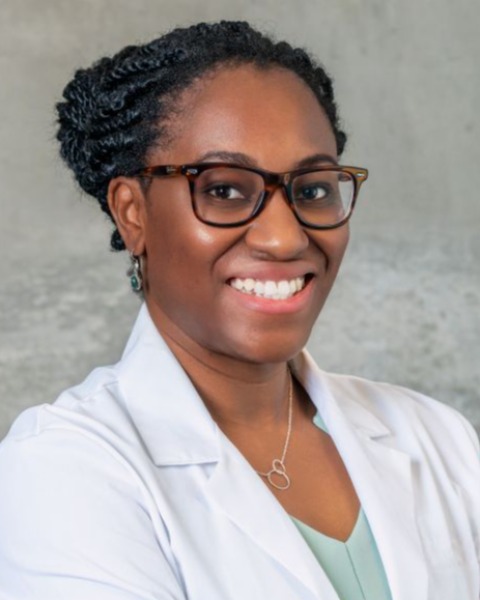
Adesuwa I. Akhetuamhen, MD
Emory University School of Medicine
Dr. Adesuwa “Ade” Akhetuamhen is an emergency medicine physician, educator, and research scientist at Emory University and Grady Hospital. Her work focuses on improving healthcare systems to better serve marginalized patients, particularly those who rely on the emergency department as their primary source of care. As a Neuro-EM K12 Scholar, her research—“Health Informatics and Design Thinking to Improve Emergency Department-Based Prevention of Stroke in Populations with Hypertension”—leverages health informatics to enhance stroke prevention in high-risk populations. Dr. Akhetuamhen envisions an emergency department that not only treats acute conditions but also plays a proactive role in disease prevention.