Forensic Emergency Medicine: Key Skills in Caring for Victims of Violent Crime (Tactical and Law Enforcement Interest Group-Sponsored)
Victims of violent crime frequently present to emergency departments for evaluation and treatment. While emergency medicine physicians are skilled in medical care, they often receive little training on how their actions affect future criminal cases. Proper evidence preservation, documentation, chain of custody, and history-taking can significantly influence prosecution. Contaminated evidence or improper handling can harm victims' chances for justice, while intrusive questioning or improper law enforcement communication can cause trauma or breach privacy laws. This session, featuring experts in law enforcement, pediatric sexual assault care, and medical law, will cover evidence collection, forensic photography, patient interviewing, and medico-legal documentation, empowering physicians to provide optimal care for crime victims.
Learning Objectives:
- Conduct basic evidence collection/preservation and forensic photography involving violent crime patients
- Describe core principles of sexual assault evidence collection
- Understand key do's and don'ts of victim interviewing, including special pediatric considerations
- Liaise with law enforcement while maintaining HIPAA compliance and patient privacy
Presenters:
- Samuel Malakhovsky, MD
- Florian F. Schmitzberger, MD
- Jeremy Ackerman, MD, PhD
- Allison Cator, MD, PhD
-
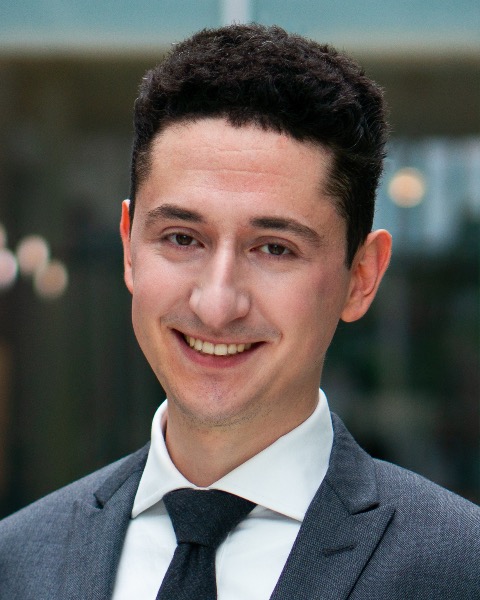
Samuel Malakhovsky, MD, EMT-P
University of Michigan
Originally from Massachusetts, Sam spent over eight years in EMS on the east coast. He was involved in both 911 response and critical care transport roles as a paramedic and was also heavily engaged in EMS education, both at state training academies and as a field training officer. Now a PGY-III Emergency Medicine Resident at University of Michigan, Sam has a research and operations interest in the intersection of healthcare and the criminal justice system. In particular, building on his prior EMS experience of interfacing with law enforcement, he is engaged in growing the field of tactical and law enforcement medicine. -
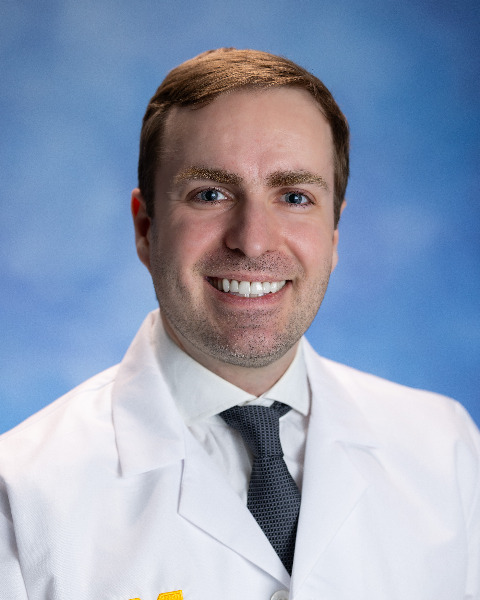
Florian Schmitzberger, MD, MS
Member-at-Large
University of Michigan
Dr. Schmitzberger is a clinical instructor at the University of Michigan. He has a Bachelor of Science in Biomedical Computation as well as a Master of Science in Bioinformatics from Stanford University. He completed his medical studies at the Charité University in Berlin where he also received his scientific doctorate. He is an emergency medicine physician at the University of Michigan and a fellow for resuscitation science and is principle investigator in multiple studies. He holds a fellowship of the academy of wilderness medicine. He served in the Austrian Military as a medic and is the associate medical director for the Genesee county Sheriff’s department paramedic division, serving Flint, Michigan. He has extensive experience in international medicine, having been active as team leader, medic and physician in numerous conflict regions (Burmese civil war, Syrian conflict, Afghanistan war, Venezuelan crisis, Ukraine war) as well as in medical civic actions in other regions.
-
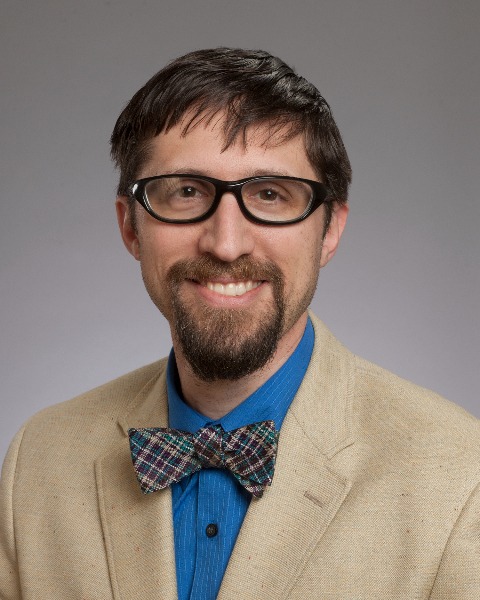
Jeremy Ackerman, MD, PhD
Emory University School of Medicine
Dr. Ackerman is an Assocaite Professor in the Department of Emergency Medicine in the Emory University School of Medicine and is an Associate Professor in the Wallace H. Coulter Department of Biomedical Engineering at Emory University and the Georgia Institute of Technology. He completed residency in Emergency Medicine at Stonybrook after completing medical school and his PhD in Biomedical Engineering at The University of North Carolina. Dr, Ackerman teaches graduate and undergraduate engineering students about design in healthcare settings. He has been awarded multiple patents and has worked with multiple medical start-ups. Dr. Ackerman is also a certified Peace Officer in the State of Georgia and serves as a member of a SWAT team. He is a certified law enforcement instructor and regularly provides training for police officers and cadets.
-
Allison Cator, MD, PhD
University of Michigan
A native of Canada, Allison completed her MD/PhD training at the Chicago Medical School. She then moved to Ann Arbor where she completed pediatric residency and PEM fellowship at the University of Michigan and stayed on as faculty where she is currently an Assistant Professor of Emergency Medicine and Pediatrics. Allison's clinical interests include developing clinical care guidelines according to available evidence, stewardship of medical resources, and provision of equitable patient-centered care. Her research interests include multi-center prospective studies, and best practices for care of pediatric patients with infectious diseases.