Calling Out the "Senior Moment": Ageism in the Hidden Curriculum of Medical Education
Ageism, the systematic stereotyping or discrimination based on age, was first coined by Dr. Robert Butler in 1969. Fifty years later, it remains pervasive in society, significantly affecting older patients, the physicians who care for them, and medical trainees. Evidence shows that negative attitudes toward aging contribute to misdiagnoses and hinder the delivery of quality care for seniors. Ageism exists both in clinical settings and within the "hidden curriculum" of medical education. To foster compassionate care in future generations of clinicians, it is essential to address and shift these harmful perceptions of aging in medical training.
Learning Objectives:
- Identify Manifestations of Ageism in the Medical Curriculum - Recognize implicit and explicit forms of ageism in case studies, teaching materials, and clinical scenarios within the curriculum.
- Develop Strategies to Mitigate Ageism in Medical Education - Propose actionable strategies to reduce ageism. Design curriculum modifications that promote age-inclusive education, ensuring representation in all aspects of learning.
- Evaluate the Impact of Ageism on Patient Care - Analyze the consequences of ageist attitudes on the quality of care provided to older adults.
- Advocate for Age-Inclusive Policies and Practices - Discuss methods of collaboration to implement policies that ensure equitable representation of older adults in medical education.
Presenters:
- Marta A.W Rowh, MD, PhD, MPH
- Elizabeth Stulpin, MD
- Nkele Davis, MD
-
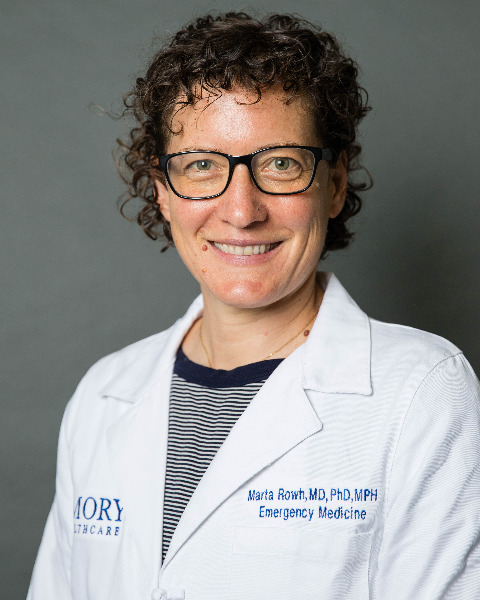
Marta A.W Rowh, MD, PhD, MPH
Emory University School of Medicine
Dr. Rowh is an Assistant Professor of Emergency Medicine and the Diversity, Equity, Inclusion and Racial Advocacy (DEIRA) Curriculum Thread director at Emory School of Medicine. Dr. Rowh trained at the Perelman School of Medicine at the University of Pennsylvania, earning a medical degree and a doctorate in immunology. She was a physician for the Air National Guard, CBRNE unit, volunteering in NYC during the COVID pandemic and serving as the Medical Director for a civilian-military mass vaccination partnership. She has led a variety of SOM programs in community engagement, public health, health systems and policy. She teaches for the same reason she entered medicine – to improve health inequities within our community.
-
Elizabeth Stulpin, MD
Emory University
Dr. Elizabeth Stulpin is a current Medical Education fellow in the Department of Emergency Medicine at Emory University and future Assistant Program at the University of Pennsylvania Emergency Medicine residency. She is originally from Philadelphia, then completed her residency training at Northwestern University in Chicago, IL. She is interested in graduate medical education and quality improvement in order to provide the highest level of care for her patients.
-
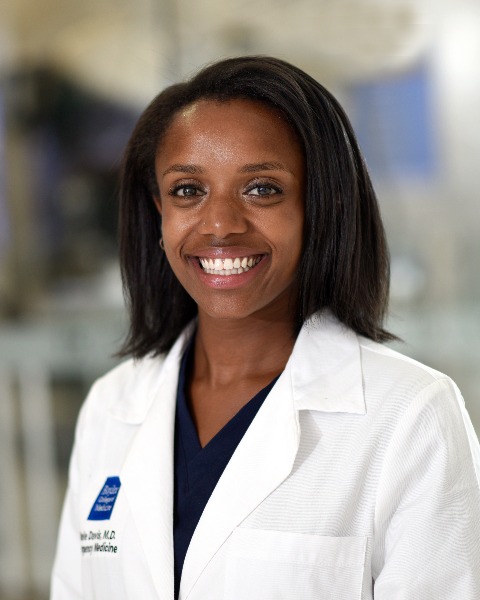
Nkele Davis, MD
Emory University School of Medicine
Dr. Nkele Davis is an Assistant Professor of Emergency Medicine at Emory University. She trained at Baylor College of Medicine in Houston, TX, and completed a two-year medical education fellowship at Emory University. She has a specific interest in mentorship and undergraduate medical education. She is the Assistant Clerkship Director for Emergency Medicine and Assistant Medical Education Fellowship Director.