Building Community Through Quality: How to Build a Quality-Integrated Peer Support Program
Quality assurance (QA) reviews that result in determination of substandard patient care, root cause analyses (RCAs), morbidity and mortality conference presentations, and litigation can be emotionally devastating for physicians.Common reactions to adverse events include shame, guilt, isolation, self-doubt, and fear. Physicians infrequently publicly acknowledge these feelings, which can lead to additional isolation and suffering. Chronic emotional stress leads to burn out, depression, deteriorating patient care, and exit from medicine. Furthermore, physicians do not typically seek help in times of distress, making their positions more vulnerable. However, when asked from whom physicians may accept help, most physicians chose their peers. Peers, better than anyone else, understand and have experienced situations similar to that of the affected physician. Peers can provide support through lived perspective, which may lead to a greater level of connection, understanding, and insight. Support from peers helps normalize emotions without pathologizing them.
In response to burnout experienced by many of our colleagues, we established a peer support program embedded in the quality assurance (QA) process at our large, urban academic emergency department, which includes a separate pediatric emergency site as well as several academic and community sites. Our program utilizes peer-nominated supporters integrated into the departmental QA process, such that all cases meeting criteria are referred for peer support using an opt-out approach. We will present a roadmap for developing a similar program (applicable to all sizes and types of emergency departments), along with lessons learned. Participants in the session will leave with an understanding of why peer support is important for delivering quality care as well as a framework for conducting a stakeholder analysis and establishing a sustainable program.
Presenters:
- Di F. Coneybeare, MD, MHPE
- Liliya Abrukin, MD, MPH
- Anju Wagh, MBBS
- Brendan R. Norwood, MD
- Erica L. Olsen, MD
-

Di F. Coneybeare, MD, MHPE
Columbia University Medical Center
Di Coneybeare is an associate professor of emergency medicine at the Columbia University Medical Center. She serves as the fellowship director for emergency ultrasound. She graduated from emergency ultrasound fellowship and concurrently completed her MHPE from Maastricht University. She founded the emergency ultrasound fellowship at Columbia University Medical Center. Her research focus in medical education resolves around professional identity formation and was the 2023 SAEMF Education Project Grant recipient to study professional identity formation in fellowship.
-
Liliya Abrukin, MD, MPH
New York–Presbyterian Columbia University Medical Center
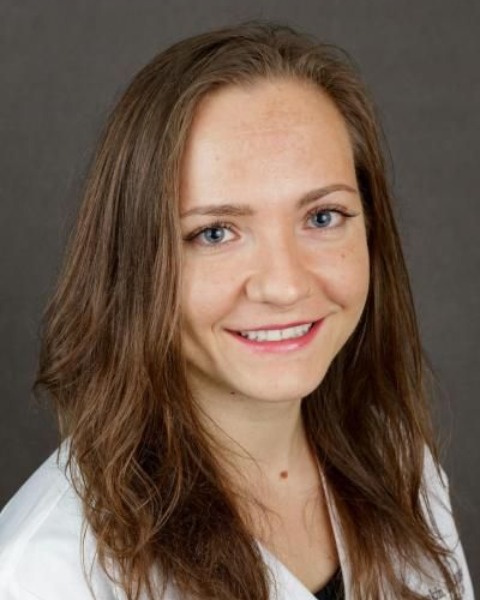
Liliya Abrukin, MD MPH is an assistant professor of emergency medicine at New York Presbyterian, Columbia University Irving Medical Center and serves as the Vice Chair for Quality and Patient Safety for the four emergency departments comprising the Columbia Department of Emergency Medicine. Dr. Abrukin received her medical degree from SUNY Upstate Medical University and completed her emergency medicine residency at NYU Langone Medical Center/Bellevue Hospital Center, where she served as chief resident. After residency she remained at NYU/Bellevue to pursue the Wellner Fellowship in ED Patient Safety and Quality and earned an MPH in Health Management from the Columbia University Mailman School of Public Health.
As a faculty member at Columbia, Dr. Abrukin has served as the Director of Quality for the adult emergency medicine division and has led and participated in numerous departmental, cross-campus, and enterprise-wide quality initiatives. In her role as Vice Chair, Dr. Abrukin has prioritized building a culture of safety, with a focus on systems, peer support, and faculty engagement. She is also active in developing evidence-based care pathways for emergency departments throughout the hospital system. Recently, Dr. Abrukin was selected from a highly competitive pool of applicants to join the New York Presbyterian LEAD Academy, a 13 month training program with didactic and experiential components for developing physician-leaders. During this program, Dr. Abrukin developed an enterprise-wide care pathway for patients with sickle cell disease presenting with emergencies requiring transfusion. Dr. Abrukin also serves as the Associate Director of the Lorna Breen Emergency Medicine Fellowship in Healthcare Administration and the Chair of the MCIC Emergency Department Leadership Committee, where she oversees the development of cross-institutional projects aimed at improving patient safety and decreasing medicolegal exposure.
-
Anju Wagh, MBBS
New York–Presbyterian Columbia University Medical Center
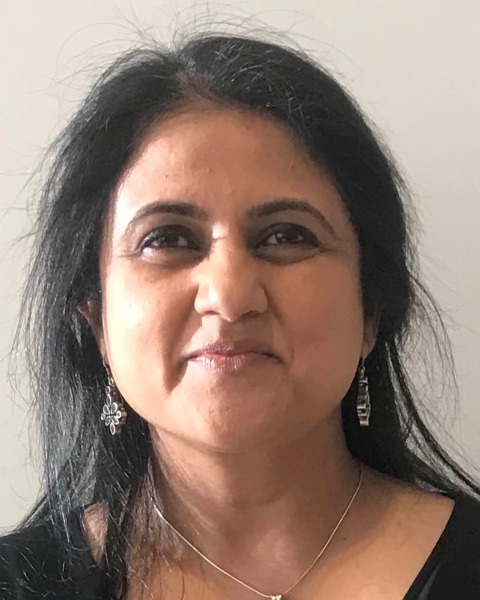
Dr. Anju Wagh is an Assistant Professor of Pediatrics (in Emergency Medicine) at the Columbia University Medical Center who has 20+ years of experience as attending faculty at the Morgan Stanley Children's Hospital of New York - New York Presbyterian She is actively involved in Pediatric Emergency Medicine fellows and both Emergency Medicine and Pediatric resident education throughout her years as faculty. In addition to didactics she runs multiple workshops to teach procedural skills to both residents and fellows. For the last 4 years she is actively engaged in medical students education during their Foundations of Clinical Medicine Course teaching them not only clinical skills required for patient care, but also workshops on Anti-racism at the Bedside and Trauma-informed Care. She has also led faculty workshops on the topic of Destigmatized language: how words matter in documentation. She was awarded the ACE (Academy of Clinical Excellence) award representing the Department of Emergency Medicine in 2018 and has been an active member.
-
-.jpg?sfvrsn=7ce1c097_1 "Brendan R. Norwood, MD (he:him:his)")
Brendan R. Norwood, MD
New York–Presbyterian Columbia University Medical Center
Dr. Norwood received his medical degree from Columbia University Vagelos College of Physicians and Surgeons and went on to complete his residency training at Massachusetts General Hospital and the Brigham & Women's Hospital. Dr. Norwood is board certified in emergency medicine and has over 10 years experience practicing in both academic and community emergency departments.
-
Erica L. Olsen, MD
New York-Presbyterian Columbia University Medical Center
Dr. Erica Olsen is the Director for Virtual Health Services for the Department of Emergency Medicine at Columbia University Irving Medical Center (CUIMC). Her role includes oversight of Telehealth endeavors throughout the Department of Emergency Medicine West Campus / New York Presbyterian Hospital System: CUIMC Emergency Department, The Allen Hospital, Morgan Stanley Children’s Hospital of New York, and Lawrence Hospital. Dr. Olsen joined the full-time Faculty at Columbia University Department of Emergency Medicine with previous Telehealth experience from her time at both the Department of Veterans Affairs (VA Hospital) in Western New York and Erie County Medical Center where Telehealth was utilized for the New York State Department of Corrections. Dr. Olsen is a past Chair of the SAEM Telehealth Interest Group and serves on the Digital Health Executive Committee for the Faculty Practice Organization of Columbia University and the New York Presbyterian Hospital Telehealth Steering Committee. One of Dr. Olsen's current interests is in improving access to telehealth services for vulnerable populations.