Bringing Humanity Back to the Bedside (Faculty Development Committee-Sponsored)
Narrative medicine bridges the gap between pathophysiology and the experiential knowledge embedded in patient stories. By fostering narrative competence—eliciting, critically engaging with, and responding to patient stories—it cultivates empathy, advocacy, and deeper connection. This focus on individual stories is vital in emergency medicine, particularly as AI and bias pose increasing challenges. Research shows that narrative medicine improves competencies such as relationship-building, empathy, clinical skills, resilience, and ethical inquiry. In this session, we'll explore how narrative medicine can combat burnout and enhance EM education, providing practical strategies for incorporating it into EM curricula and clinical practice.
Learning Objectives:
- Discuss the role of narrative medicine in emergency medicine.
- Discuss the impact of participating in a narrative medicine exercise.
- Discuss thee tools needed to implement narrative medicine exercises into their curricula.
Presenters:
- Suchismita Datta, MD
- Moira Davenport, MD
- Kamna S. Balhara, MD, MA, FACEP
-
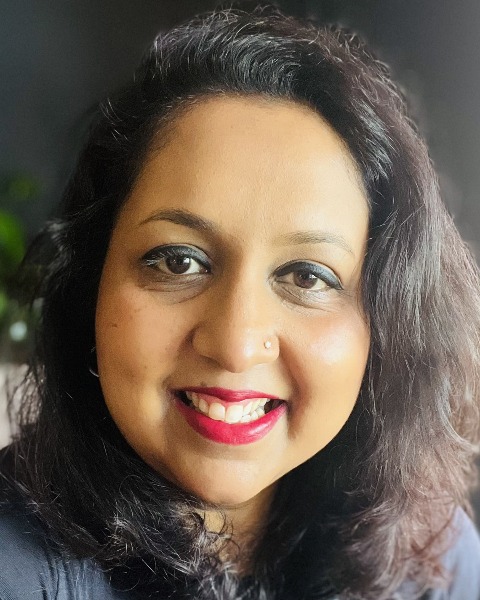
Suchismita Datta, MD
NYU Grossman Long Island School of Medicine
Suchismita [Suchi] Datta, MD is an emergency medicine attending physician at NYU Long Island Hospital. She is core faculty for the residency there, and also serves as the Director for Emergency Medicine Research. Dr Datta in interested in medical education innovations and research, particularly in medical humanities. Her other interests include gender equity and wellness. Dr Datta obtained her medical degree and did her residency training at SUNY Stony Brook.
-
Moira Davenport, MD
Allegheny Health Network/Allegheny General Hospital
Dr. Davenport is an emergency medicine and sports medicine trained physician. She is actively involved in resident education and serves as the associate residency director and medical education fellowship director. Dr. Davenport is a clinical professor of emergency medicine at Drexel University. Dr. Davenport has extensive experience caring for all levels of athletes, from elementary school children to Olympic and professional athletes.
-
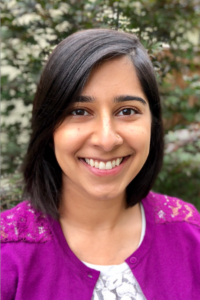
Kamna S. Balhara, MD, MA, FACEP
Associate Professor of Emergency Medicine
Johns Hopkins University
Dr. Kamna Balhara is an associate professor of emergency medicine (EM) at the Johns Hopkins University School of Medicine, and holds a dual appointment as associate professor in Medicine, Science, and the Humanities at the Johns Hopkins Zanvyl Krieger School of Arts and Sciences. After obtaining a master’s degree in French Cultural Studies from Columbia University, she completed medical school and residency at Johns Hopkins, serving as chief resident. She served in residency program leadership at the University of Texas San Antonio and subsequently at Johns Hopkins.
Dr. Balhara is an innovator in the health humanities and has experience with implementing humanities curricula for medical students, residents, and faculty from across specialties. She is a founder and co-director of the Health Humanities at Hopkins EM initiative, which offers equity-focused and humanities-based programming to institution, community, and national audiences. She also directs a unique longitudinal interdisciplinary institution-wide health equity and humanities track for residents and fellows across Johns Hopkins, and directs the Health Humanities Fellowship. She has been invited to speak to international audiences on the humanities in medicine and was selected as a Harvard Macy Institute Art Museum-Based Health Professions Education Fellow.
Her scholarly interests revolve around equity and inclusion in clinical and learning environments. She has authored multiple publications on graduate medical education, humanities, social determinants of health, and disparities in health care access, and has developed tools and resources for other educators seeking to apply the humanities towards equity in health care and health professions education. Her work has been funded by the Association of American Medical Colleges (AAMC), the Josiah Macy Foundation, the National Endowment for the Humanities, and the Emergency Medicine Foundation. She serves on the steering committee for the National Health Humanities Consortium, and is a member of the editorial board of the SAEM journal Academic Emergency Medicine.