After You Hit Submit: Navigating the National Institutes of Health Grant Review Process and Tips for Beginner Applicants
Submitting a federally funded award, like an NIH grant, is only part of the challenge. Understanding the subsequent review process, its steps, and what to expect can be anxiety-provoking. In this session, a panel of NIH grant applicants and reviewers will break down the NIH review process, including peer, council, and administrative reviews. Attendees will learn how to interpret key terms in the NIH system, understand study sections, and respond proactively to improve their grant’s chances. Additionally, participants will explore how to become an NIH reviewer, especially as part of the Early Career Reviewer program.
Learning Objectives:
- Describe the continuum of expected events in the NIH peer review process
- Understand effective communication strategies with NIH program staff during the peer review process
- Consider grantsmanship strategies that may help anticipate and facilitate favorable review during NIH review
Presenters:
- Christine Ngaruiya, MD MSc DTM&H
- Stephanie Carreiro, MD, PhD
- Elizabeth M. Goldberg, MD, ScM
-

Christine Ngaruiya, MD, MSc, DTM&H
Stanford University
Dr. Ngaruiya is an Associate Professor in the Department of Emergency Medicine (DEM) at Stanford University, and the Population and Global Health Research Director for the Department. She completed fellowship in Global Health in the Yale Department of Emergency Medicine in 2015, matriculating with an MSc in Tropical Medicine and International Health, and DTM&H from LSHTM, then joined the faculty at Yale for several years prior to joining the Stanford faculty. She is also a graduate of the NIH Training Institute for Dissemination and Implementation Research in Health (TIDIRH) program, which she was competitively selected for from a national pool of applicants for the 2019-2020 cohort. Her research centers on: Non-communicable Diseases (NCDs), barriers to care, and community-based interventions with a particular focus on Africa. Her past professional work focused on health disparities among underserved populations in the U.S. and Community-Based Participatory Research (CBPR). This work has been funded by Yale University, NIH, USAID, the World Bank, Gates Foundation, and others. In 2021 and 2022, she was among the top 100 federally funded researchers in EM.
Some past honors include: the Emergency Medicine Resident’s Association (EMRA) Augustine D’Orta Award for outstanding community and grassroots involvement, Harambe Entrepreneur Alliance Associate and the 2014 Harambe Pfizer Fellow Award for social entrepreneurship, the 2016 University of Nebraska Outstanding International Alumnus award, the 2018 Society for Academic Emergency Medicine Global Emergency Medicine Academy Young Physician award, and the 2019 Yale School of Medicine Leonard Tow Humanism award. In 2020, she was selected as 1 of 24 women nationally as part of the Stanford-affiliated, Gates Foundation funded WomenLift Health Leadership Cohort.
She has held several national and international leadership positions including with: the SAEM Global Emergency Medicine Academy, the Women Leaders in Global Health (WLGH) conference committee and the Consortium of Universities for Global Health (CUGH) Research Committee. She was also a founding member of the Yale Network for Global Noncommunicable Disease (NGN), which acts as a hub for global NCD work involving the Yale community. Additionally, she served on the research pre-symposium committee for the African Conference on Emergency Medicine in 2014, on the Scientific Committee in 2016, and as the chair for the research pre-symposium committee in 2020. She has sat on a number of NIH panels related to global NCD topics, and has lectured both nationally and internationally on the same. -
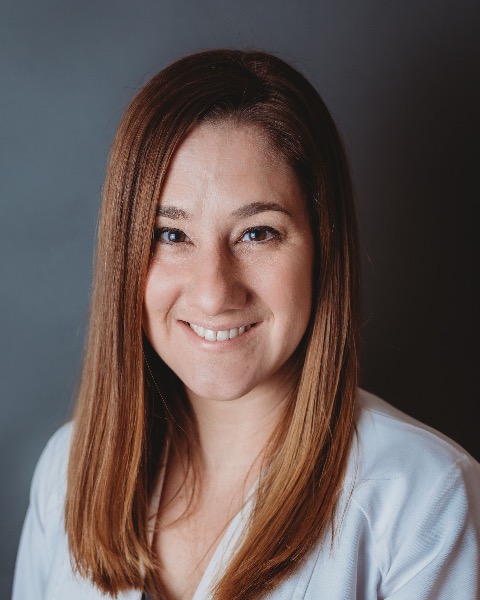
Stephanie Carreiro, MD, PhD
University of Massachusetts Chan Medical School
Dr. Stephanie Carreiro is an emergency medicine physician, medical toxicologist and digital health researcher. She is a 2009 graduate of New York Medical College, and completed her emergency medicine residency in 2013 at Brown University. She completed a medical toxicology fellowship in 2015, and received a PhD in Biomedical Sciences in 2022, both at the University of Massachusetts. She is currently an Associate Professor, Director of the Tox(In)novation Lab, and Research Director in the Department of Emergency Medicine at University of Massachusetts Chan Medical School. Her current research program focuses on developing digital therapeutics for substance use disorder, understanding how patients use and engage with technology, and leveraging digital technology to promote health equity. She is the principal investigator multiple industry and federally funded research grants, including several awards from the National Institute on Drug Abuse and National Institute of Biomedical Imaging and Bioengineering.
-
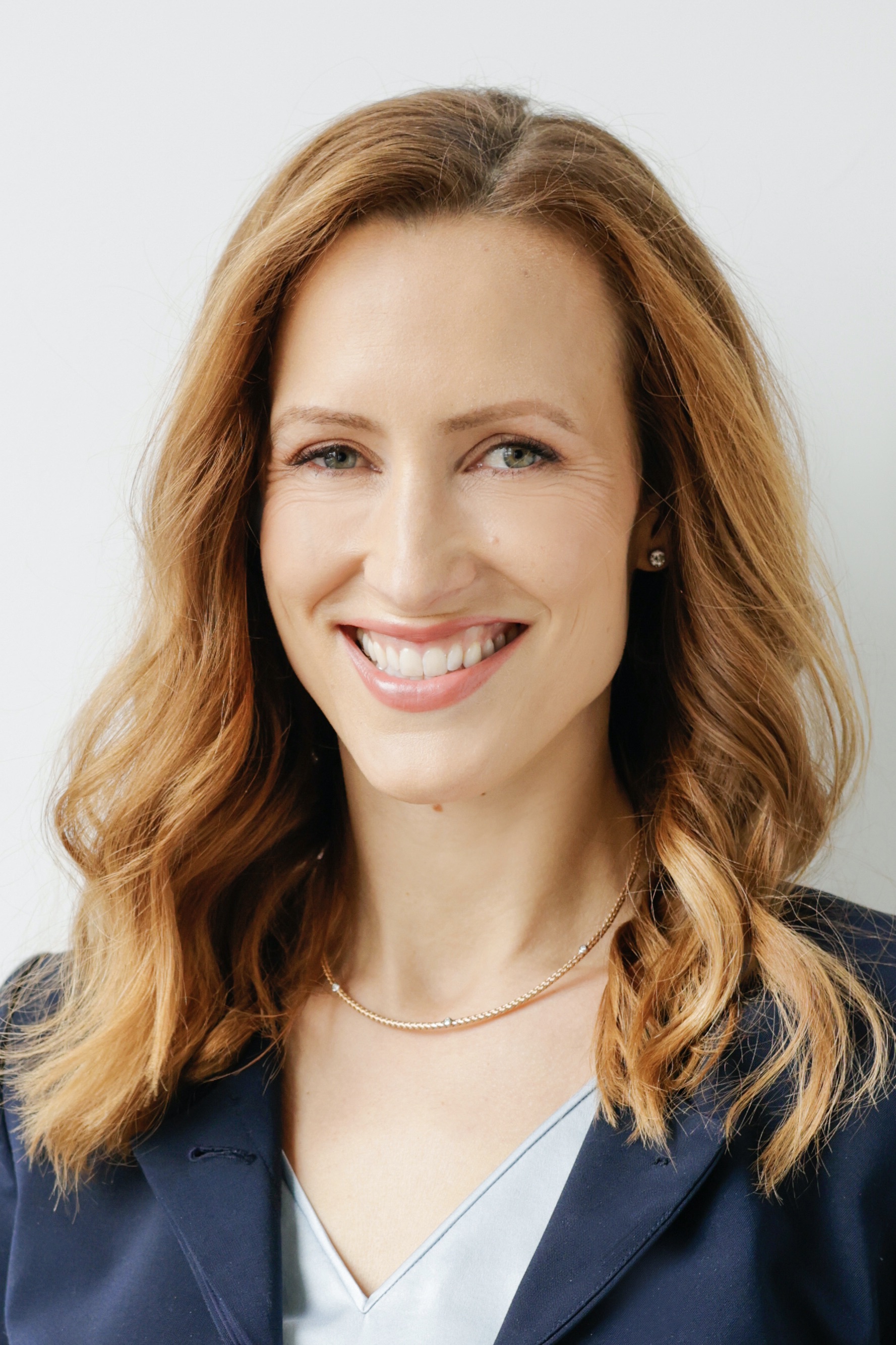
Elizabeth M. Goldberg, MD, ScM
University of Colorado, Denver
Dr. Liz Goldberg is a practicing emergency physician and Associate Professor of Emergency Medicine at the University of Colorado School of Medicine. After her residency, she completed a post-doctoral research fellowship in gerontology and epidemiology at Brown University. Dr. Goldberg is the recipient of the prestigious Paul B. Beeson Career Development Award from the National Institute on Aging which funds a fall prevention trial using the Apple Watch to track cognition and fitness. Her research focus is creating effective interventions to improve emergency care for geriatric patients, and using digital tools to help older adults age in place. Dr. Goldberg is the past President of the Academy for Geriatric Emergency Medicine for the Society of Academic Emergency Medicine. In this capacity she led the research and education efforts of over 300 academic clinicians to improve geriatric emergency care in the US.