
UNIVERSITY OF WISCONSIN-MADISON GLOBAL HEALTH FELLOWSHIP

The Global Health Fellowship in the Department of Emergency Medicine offers a one-year program aimed to prepare fellows for a career in global health. Fellows will participate in clinical, educational, and research activities related to global health and will complete the Graduate Professional Certificate in Global Health through the University of Wisconsin Global Health Institute.
Fellowship Experience
EM Global Health Fellowship
This is a one-year fellowship designed for those who have had prior experiences in global settings but who wish to develop further skills designed to advance the field of emergency medicine in resource- limited areas. Potential fellows will have strong interpersonal skills and the ability to work independently. Individual program emphasis will be determined by the fellow's areas of interest and may include clinical care, capacity-building and teaching or research. Global Health fellows will work a limited number of clinical shifts and will spend the remainder of their time involved in ongoing education and practical global health experiences. Fellows will have the opportunity to enroll in the University of Wisconsin Global Health Institute Graduate Professional Capstone Certificate if they do not already hold an advanced degree (MPH). Field experiences are focused in Uganda and Guatemala but may include other sites based on individual fellow interest.
Fellowship Curriculum
Our fellowship is designed to be flexible to meet the individual interests and goals of our fellows. A large part of the global health fellowship experience is in participation in activities abroad. While we have established formal partnerships with two international sites, fellows with existing connections or interest in other locations are encouraged to discuss alternative options with the fellowship director.
International experiences typically involve a combination of clinical and educational activities focused on capacity building. Fellows with a strong interest in research can also participate in ongoing research efforts or, when feasible, develop their own research initiatives.
On campus, fellows can take part in several opportunities including the week-long multi-disciplinary Fundamentals of Global Health Course in the fall, participate as Assistant Instructor for the GME Global Health Pre-Departure Bootcamp, and opportunities to attend a wide variety of lectures hosted by the UW Global Health Institute. Additionally, fellows will be invited to join the Success in Academics Lectures Series designed for fellows and first-year faculty and offering teaching on topics ranging from Time Management, Financial Literacy, Burnout and Resiliency and Academic Productivity.
International opportunities focus on capacity building through both teaching and direct clinical care. Fellows enrolled in the Graduate Professional Capstone Certificate are required to design, implement, and present a public health–focused project as part of their academic credit.
Previous Capstone projects have included:
A community engagement survey assessing knowledge and attitudes toward sickle cell disease in Mbale, Uganda
Development of an ultrasound training program for clinical officers in Mbale, Uganda, aimed at task-shifting and strengthening local diagnostic capacity
Assessment of emergency care training and skill-retention for medical students at Kenyatta University, Nairobi, Kenya
Evaluation of access to emergency obstetric care for women in San Lucas Toliman, Guatemala
Projects
| Project Name & Description | Details |
|---|---|
| San Lucas Toliman, Guatemala |
San Lucas Toliman is located near Lake Atitlan approximately three hours from the capital city. Residents are primarily Maya and many speak Spanish only as a second language.
In San Lucas Tolimán, fellows will have the opportunity to provide direct clinical care, work with local community health workers, and teach medical students. The UW has partnered with the community of San Lucas and the local NGO, Friends of San Lucas, for over 20 years, supporting clinical care, education, and research initiatives. Fellows will have the opportunity to participate as clinical instructors for UW medical students during short-term medical mission trips, while also having the chance to engage in deeper, more sustained partnership activities within the community.
|
| Mbale, Uganda |
Mbale is located approximately six hours by road from Kampala in the eastern part of Uganda. We partner with Mbale Regional Referral Hospital (MRRH), a government run not-for-profit hospital, with a catchment population of 4.5 million people from 16 districts. Fellows will have the opportunity to work with the pediatric and adult team to improve care for patients with acute presentations.
At MRRH, fellows will deepen their clinical knowledge of diseases prevalent in resource-limited settings, including malaria, sickle cell disease, Blackwater Fever, and rheumatic heart disease, among others. They will also gain valuable insight into the unique challenges and necessary adaptations involved in delivering healthcare in low-resource environments.
In addition to clinical training, fellows will have numerous opportunities to teach medical students and residents through formal lectures and bedside instruction. The UW has maintained a nearly decade-long partnership with MRRH, working collaboratively with NGOs Atlas-international and Atlas Global to support education and healthcare delivery in the region.
|
Alumni

Arthur Chiu
Global Health Fellow 2019-20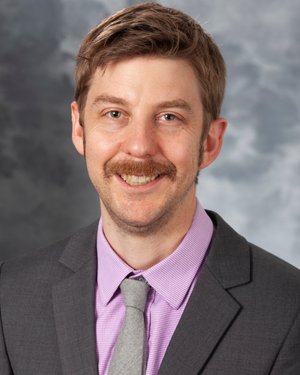
Daniel Summers
Global Health Fellow 2020-21
Ilan Kolkowitz
Global Health Fellow 2020-21
Ashwath Gunesekar
Global Health Fellow 2021-22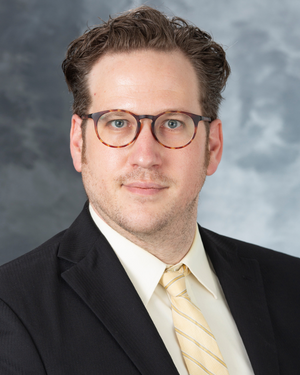
Travis Wieland
Global Health Fellow 2021-22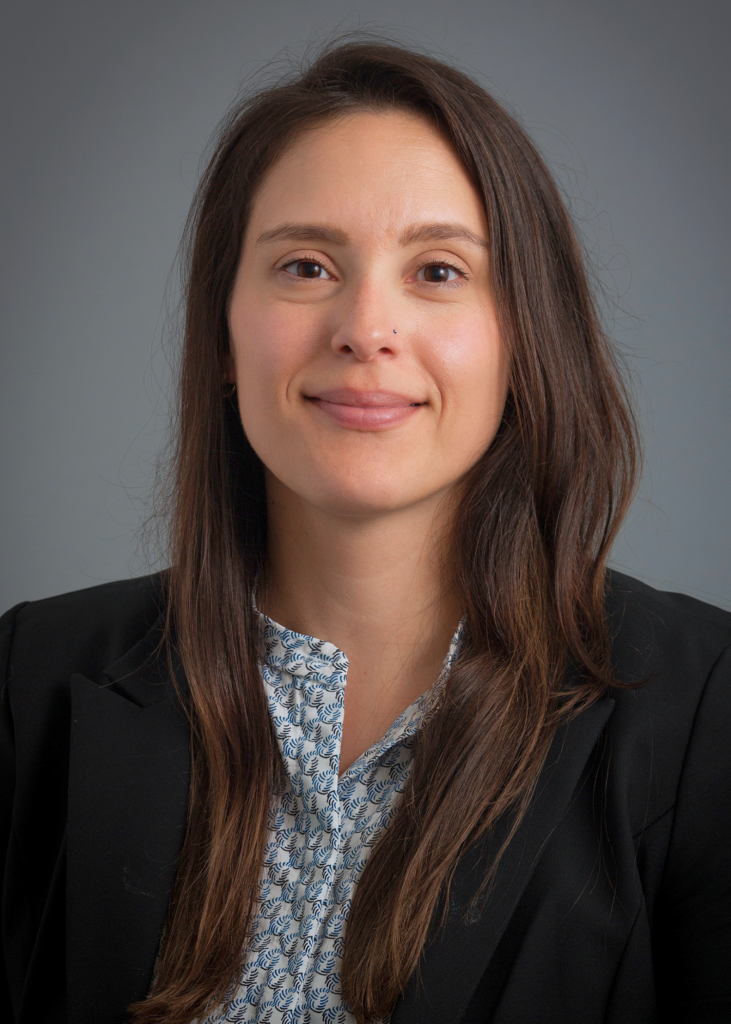
Brittany Kotek, MD
Global Health Fellow 2024-2025Contacts

Additional Application / Interview Information
Application Process
All applications must be submitted by the application deadline through the SAEM Application Portal
In addition, you must also register for the NRMP Match
Please send inquiries via email to jschmidt@medicine.wisc.edu. Applicants should submit at CV, Letter of Interest and provide three references for contact.
Interview dates will be announced at a later time. The initial stage will consist of phone interviews, with virtual or in-person interviews conducted by invitation only.
Important Dates
Application Deadline
Interview Date
Eligibility
Candidates must have graduated in good standing from an ACGME-accredited emergency medicine residency program and must be board-certified or board-eligible in emergency medicine.
