
UNIVERSITY OF WASHINGTON GLOBAL EMERGENCY MEDICINE AND RURAL HEALTH FELLOWSHIP PROGRAM
Fellowship Experience
The Global Emergency Medicine Fellowship program at the University of Washington in Seattle has two unique tracks to prepare future leaders in Global & Rural Health Emergency Medicine: a 1or 2 -year Alaska Fellowship and a 1 or 2-year South Dakota, Pine Ridge Reservation Fellowship. Both tracks offer an optional international-based 2nd year in Global Health.
Our programs are unique, flexible, and allow for more international and field-based time than most others, with a robust and fully funded curriculum including MPH or DTMH, formal coursework in humanitarian response, and additional funding for educational endeavors of the fellow’s choosing.
Track 1: Rural Alaska
In partnership with the Alaska Native Tribal Health Consortium (ANTHC) and collaboration with international partners (Partners In Health (PIH)/Doctors Without Borders (MSF)), our unique program allows fellows to develop clinical skills in limited resource settings throughout their one or two-years in an entirely field-based experience.The program is done as 12 months clinical service in the rural US (Alaska or Indian Health Service) and an optional 11-12 months internationally. Cultural immersion throughout the 1 or 2 year fellowship with weekly didactics via Zoom with UW mentors, and dedicated funded curriculum in social medicine, humanitarian response and MPH or DTM&H degree. Mentorship/guidance from leaders in global health, medicine and emergency medicine throughout fellowship.
Track 2: Pine Ridge Reservation, South Dakota
This is a one-year rural fellowship with an optional international 2nd year in Global Health. In collaboration with the Indian Health Services, on the Pine Ridge Indian Reservation in South Dakota, our unique program allows fellows to develop clinical skills in limited resource settings throughout their one, or two years, in an entirely field-based experience.
Associated programs
The Global Emergency Medicine and Rural Health Fellowship has collaborated with several organizations to carry out its mission.
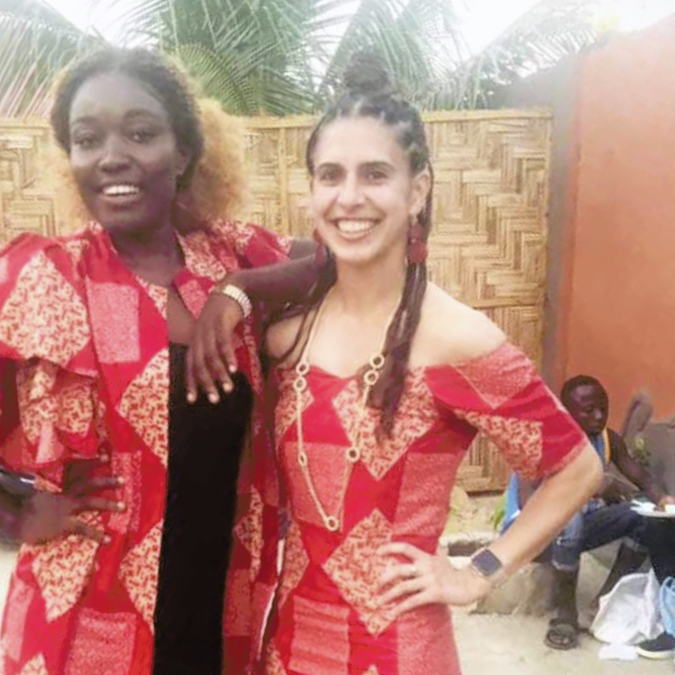
Partners in Health
The mission of Partners in Health is "to provide a preferential option for the poor in health care. By establishing long-term relationships with sister organizations based in settings of poverty, Partners In Health strives to achieve two overarching goals: to bring the benefits of modern medical science to those most in need of them and to serve as an antidote to despair."
Learn More
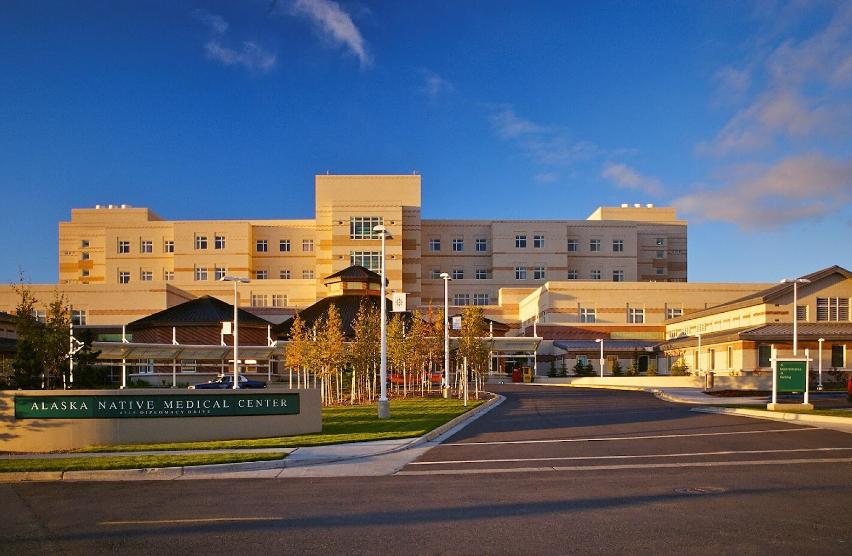
Alaska Tribal Health Consortium
The Alaska Native Tribal Health Consortium is a non-profit Tribal health organization designed to meet the unique health needs of Alaska Native and American Indian people living in Alaska.
Learn More
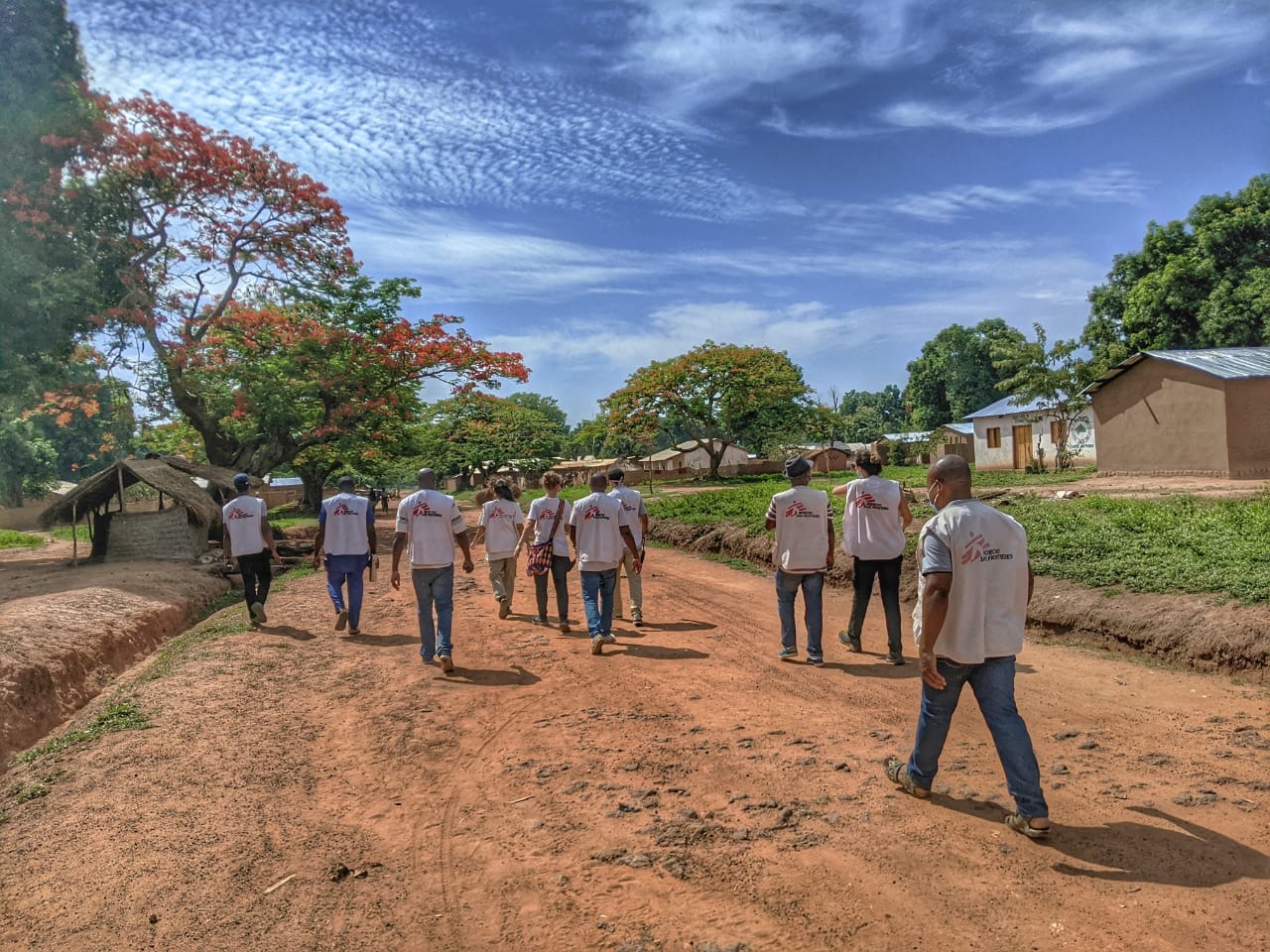
Doctors Without Borders
Doctors Without Borders/Médecins Sans Frontières (MSF) works in conflict zones, after natural disasters, during epidemics, in long-term care settings, and more. Via their website: "Our teams provide medical care for millions of patients every year in many different types of projects."
Learn More
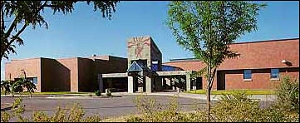
Indian Health Services & Pine Ridge Reservation
The Indian Health Service (IHS) has a partnership with the Pine Ridge Reservation in South Dakota, which is home to the Oglala Sioux Tribe. The IHS runs the Pine Ridge Comprehensive Health Facility on the reservation.
Learn More

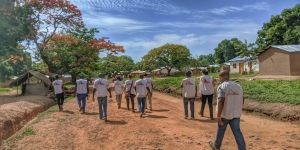
Fellowship Curriculum
Learning Objectives
- Through an experiential and didactic curriculum, learn how to effectively advance the implementation of emergency medicine both domestically in resource-constrained IHS settings, and in an international, resource-limited setting
- Develop the skills necessary for effective program development and implementation in resource-limited settings (rural and international). This will include the acquisition of knowledge and skills related to the performance of a needs assessment, program evaluation, and principles related to humanitarian fieldwork (food security, water and sanitation, personal security, and refugee health).
- Learn the principles governing effective humanitarian relief and disaster response through fellowship courses and if desired by the fellow through a 2nd year of field experience with an internationally renowned disaster relief agency
- Develop research skills and if desired conduct a research or QA study culminating in academic publication or presentation to add to the growing body of literature focused on global emergency medicine and rural health.
- Understand international public health issues, relationships between non-governmental and governmental organizations in disaster response, and the relationship between human health and human rights.
- Develop leadership skills and gain exposure to best practices and role models in rural health leadership, management, health equity, and advocacy. through an inter-agency monthly exchange: Rural Equity, Leadership and Advocacy Exchange (RELAX),
- Develop an understanding of basic principles of caring for patients with HIV, TB, neglected tropical diseases, and tropical infectious diseases through didactic curriculum within the fellowship and optional Diploma in Tropical Medicine & Hygiene.
Curriculum Logistics and Specifics:
Coursework and monthly series you’ll participate in will round out the clinical education you receive through your care of patients in limited resource settings in the fellowship with the goal of building your expertise in the practice of rural emergency medicine both in the US and internationally. Our fellowship curriculum has a homegrown curriculum that consists of a monthly didactic series (Block schedule TBA) August through June and mainly geared towards first year fellows. This is considered mandatory unless you have a clinical shift, in which case you should let the FD know you won’t be able to attend. The curriculum for this is modular, with the fall module focused on AI/AN issues and Decolonization, winter=research, spring=clinical topics in global health, and GRH career topics interspersed throughout the year. We have several fellow led journal clubs (usually in Sept/Oct/Nov) and a final presentation by alumni/second years interspersed with lecturers from UW and ANTHC as well as outside. Monthly, we participate (optional) in a series called the Western Regional Social Emergency Medicine series, and this includes journal clubs (usually presented once per year by first year EM fellow) and lectures by faculty from the various institutions, as well as works in progress presentations of research for feedback. The institutions that participate are the IDHEAL fellowship from UCLA, Highland, Stanford and UW. Only the UWEM fellows (not IM fellows) usually participate in this series but all are invited. These occur midweek, once per month. Previous journal club topics have included articles on opioid use disorder, and alcohol use disorder in Native Americans. Monthly, we participate in Rural Equity, Leadership and Advocacy Exchange: RELAX, meeting with other fellows from the MGH and UCSF HEAL rural health fellowship programs. This lecture series started in 2019-20 and consists of lectures and discussion geared towards those who will practice as leaders in a rural health setting. In addition to these curricula which are shared together with the IM fellows, we have a Population Health Lecture Series within our UW EM residency program Thursday conferences that is considered core curriculum for the residency. You are encouraged to attend via zoom for topics that look interesting for you. Past speakers included Megan Moore on health care access, Margaret Greenwood Erickson from UNM re rural access to emergency care/IHS partnerships, Joe Zunt from Neuro ID on a global health topic in Global Emergency Medicine and Rural Health Fellowship 2 neurology, Regan Marsh from Partners In Health, and Kelly Doran on impacts of homelessness on health.
Degree Programs/Certificates/Courses/Conferences: Your degree programs and certificates consist of a variety of courses which have been selected to support your learning: MPH vs DTMH: MPH by the London School of Trop Med or the GORGAS Course (Lima, Peru) will be paid for by the fellowship. Upon matching, you will discuss your choice with the fellowship director. Introduction to Social Medicine, Partners In Health (August, Yr 1) A weeklong course, held in Peru (locations vary), to learn introductory topics in social medicine/global health. Complex Humanitarian Emergencies (September, Yr 1) UW Seattle Dept of Global Health. Course Director is David Townes. You can audit this course for free, and there should be a zoom option. CUGH Conference (Winter/Spring-TBA Annually, Yr 1 or 2) Annual Consortium of Universities in Global Health conference. In this attached Word document you can find a list of other suggested conferences.
Alumni
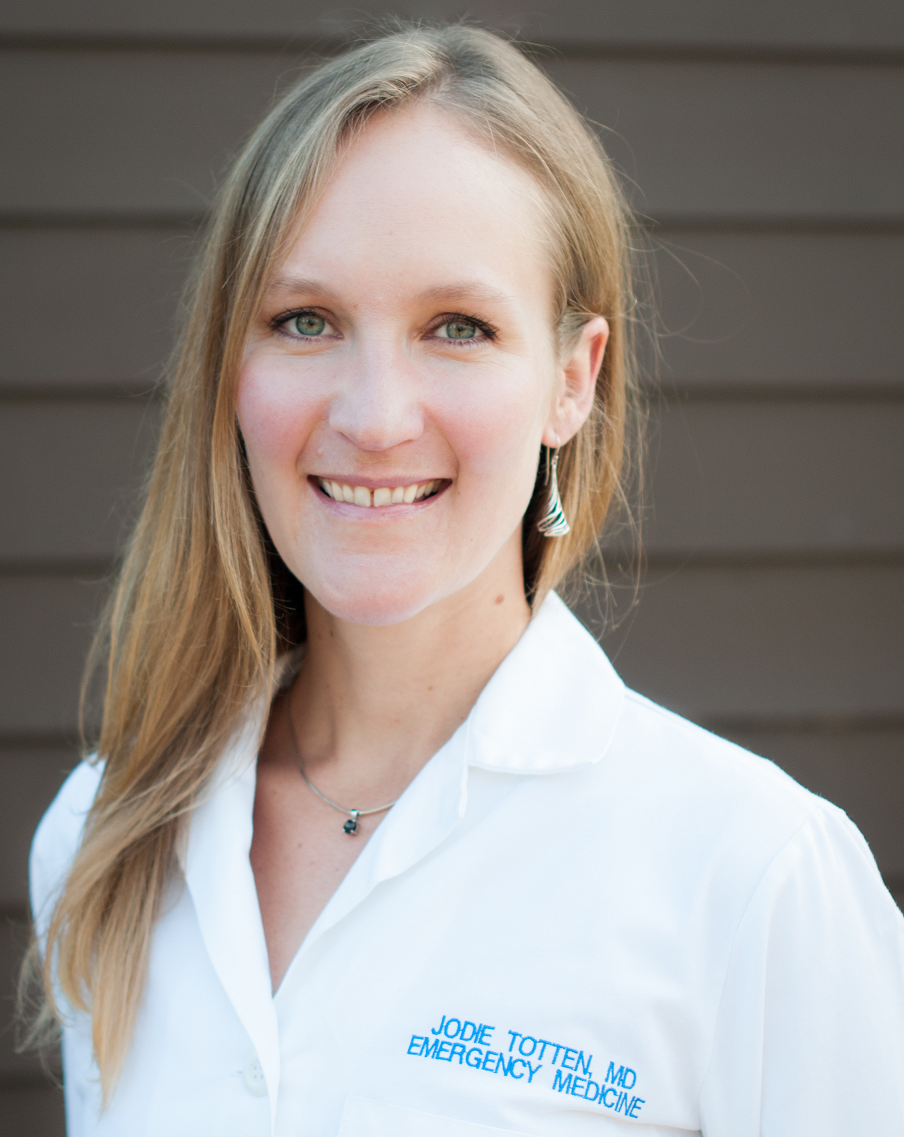
Jodie Totten, MD, MPH, DTM&H
Class of 2018
Scott Owens, MD
Class of 2019
J. Daniel Ballew, DO
Class of 2020
Chelsea Williams, MD, MPH
Class of 2021
Leila Amini, MD
Class of 2022
Katie Main, MD
Class of 2023
Reid Haflich, MD
Class of 2023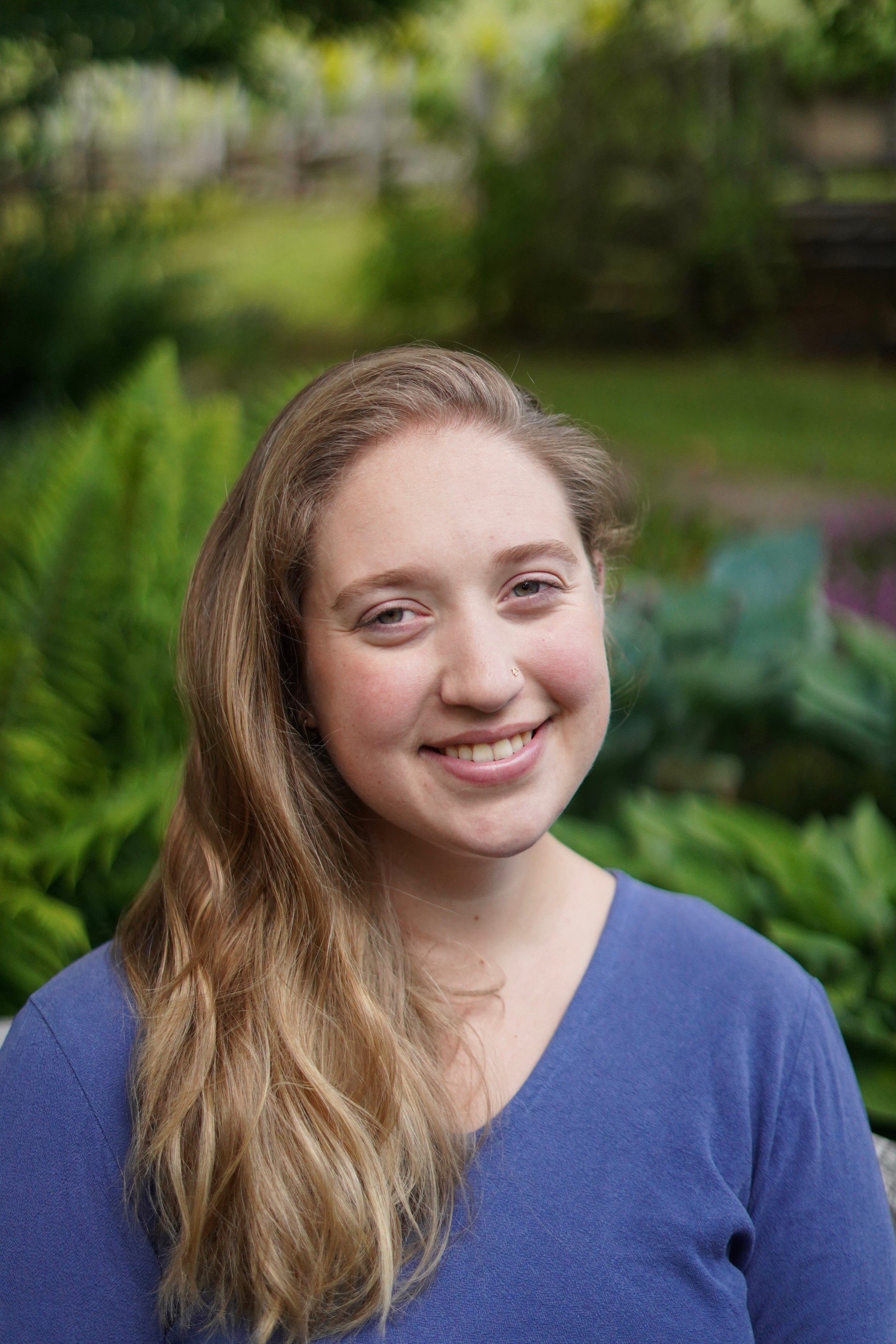
Tenaya Wilson-Charles, MD, MPH
Class of 2025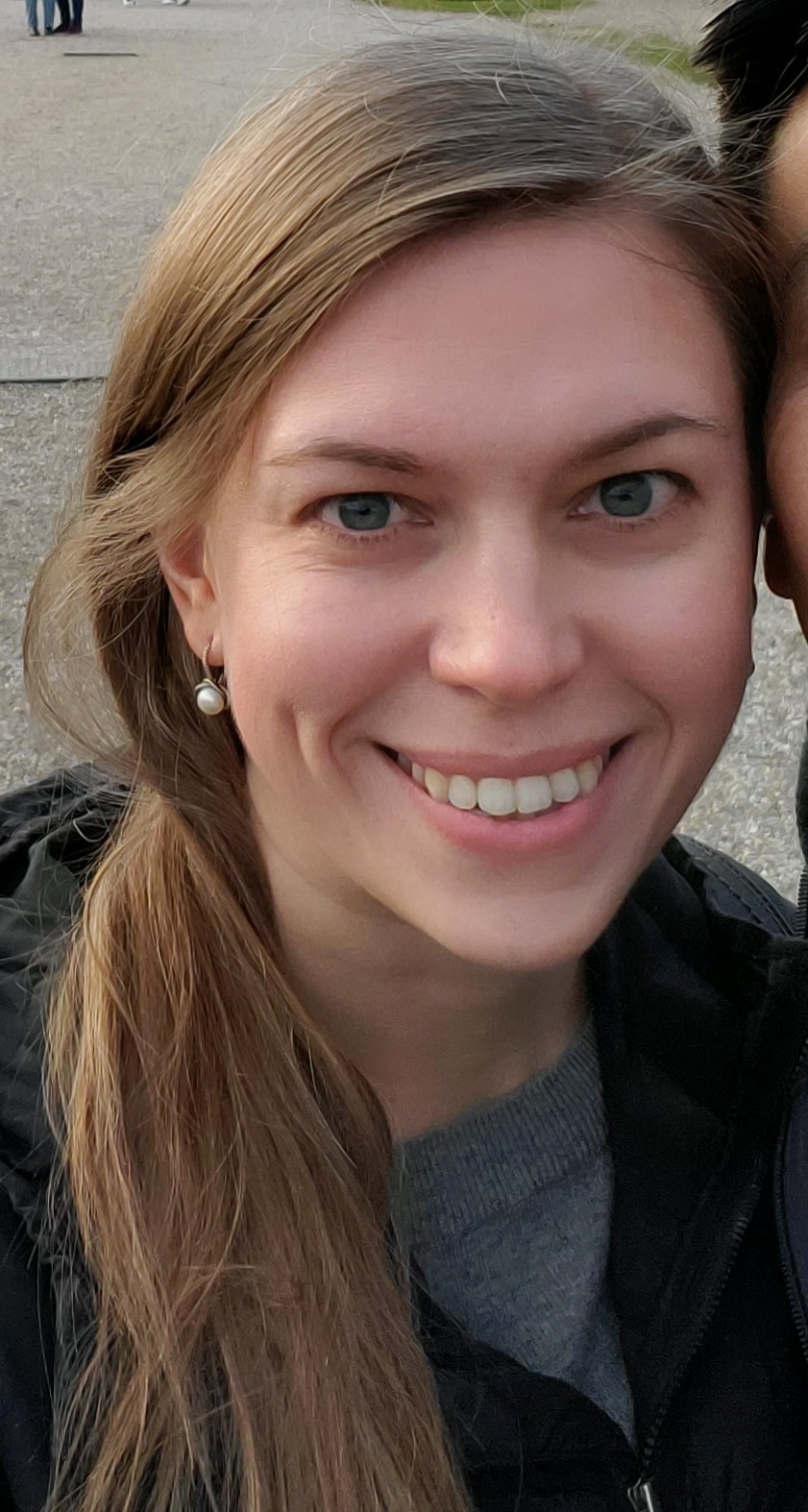
Agatha Brzezinski, MD, MPH
Class of 2025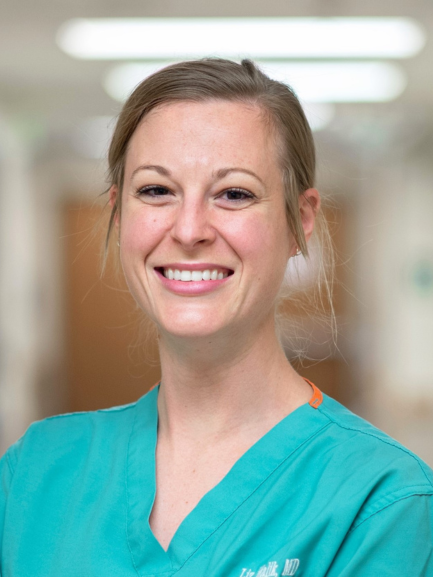
Liz Malik, MD
Class of 2026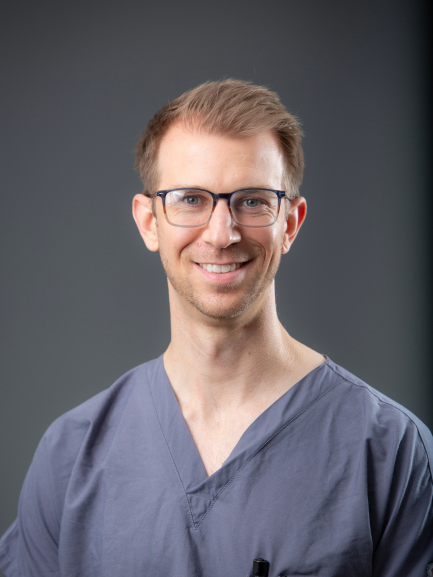
Michael Drake, MD
Class of 2026Contacts
Additional Application / Interview Information
Application Criteria
Track 1: Rural Alaska
All applicants must register and apply through NRMP Match, Global Emergency Medicine Fellowship Consortium.
Track 2: Pine Ridge Reservation, South Dakoto
To apply for the UW GEMRH Pine Ridge fellowship, the following materials need to be emailed directly to uwglobalem@gmail.com. This is a non-ACGME fellowship that has been approved to recruit outside the SAEM, Global Emergency Medicine Fellowship Consortium (GEMFC) Match.
Application materials:
- Application Form
- Letter of Intent (1 page)
- CV
- Personal Statement (1 page)
- Three letters of recommendation including one from the current chair or residency director, and one from a mentor in global health (if applicable)
- USMLE transcript
We will begin interviewing qualifying applicants by mid-September.
Candidates must apply separately to their MPH program, and their chosen tropical medicine education program (e.g. GORGAS or London School). The fellowship director will work with the fellow immediately after selection to help guide these applications.
Application Process
All applications must be submitted by the application deadline through the SAEM Application Portal button below. Please note, if applying for track 1- Rural Alaska you must register for the NRMP Match.
Interviews will be offered via Zoom in the month of September and October, annually, for select applicants. Fellows selected for our program will have a trip to Alaska or Pine Ridge, in March or April prior to 7/1 start date, to meet us in person and start the onboarding process.
Please contact us at uwglobalem@gmail.com for additional information.
Application Deadline
Interview Date
Eligibility
